
August 3, 2026—Preparing for hurricane season can feel overwhelming. With so much to think about, it's easy to overlook important tasks or forget essential items before a storm arrives.
That's why Team LHC has put together this simple checklist to help you prepare your home and create a plan before severe weather strikes. Taking a few steps today can help protect your property, provide peace of mind, and make the recovery process easier if a hurricane impacts your community.
Prepare Your Home for Hurricane Season
Inspect the Exteriors of Your Home
Gutters 
Clean and inspect your gutters before a major storm. Clogged gutters can prevent rainwater from draining properly, causing water to back up and potentially damage your roof, siding, or foundation. Keeping gutters clear helps direct water safely away from your home.
Secure Outdoor Items
Bring in or secure outdoor furniture, grills, trash cans, planters, and other loose items. Hurricane-force winds can easily turn unsecured objects into dangerous projectiles that can damage your home or your neighbor's. 
Protect your Windows and Doors
Secure your windows and doors with storm shutters or plywood, if recommended for your area. Properly reinforced openings help reduce the risk of broken glass, minimize water intrusion, and protect the structural integrity of your home during high winds.
Tree Limb Removal 
Inspect the trees around your property and trim any dead, damaged, or overgrown branches. Falling limbs can cause significant damage to roofs, vehicles, fences, and power lines during a storm.
Plan Before the Storm

Evacuation Plan
Don't wait until an evacuation order is issued to decide where you'll go. Develop a family evacuation plan that includes evacuation routes, nearby shelters, emergency contacts, meeting locations, and arrangements for pets. Knowing your plan ahead of time can help reduce stress during an emergency.
Homeowners Insurance 
Take time to review your homeowner’s insurance policy before hurricane season is in full swing. Make sure you understand what your policy covers, confirm that your coverage still meets your needs, and keep copies of important insurance documents in a safe, accessible place. Once a storm is approaching or has passed, it may be too late to make changes to your policy.
Gather Household Essentials
A well-stocked hurricane emergency kit can make a significant difference if you need to evacuate or shelter in place. Gather your supplies before a storm is on the horizon, so you're not scrambling for last-minute essentials.
Pack a Hurricane Kit
Non-perishables
Pack enough non-perishable food to last several days. Items such as protein bars, canned goods, dried fruit, peanut butter, and crackers are easy to store and require little to no preparation. Be sure to include plenty of drinking water. Experts recommend at least one gallon of water per person, per day for several days.
First Aid Kit & Medications
Keep a fully stocked first aid kit readily available to treat minor injuries. Don't forget prescription medications, over-the-counter medicines, and any medical supplies your family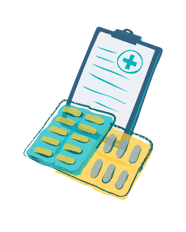 may need. It's also a good idea to pack copies of prescriptions in case you need to refill them while away from home.
 Electronics & Emergency Power
Power outages are common during hurricanes, so include essential emergency devices in your kit. Pack flashlights, extra batteries, portable phone chargers or power banks, charging cables, and a battery-powered or hand-crank weather radio so you can stay informed even if electricity and cell service are limited.
Sanitation Products 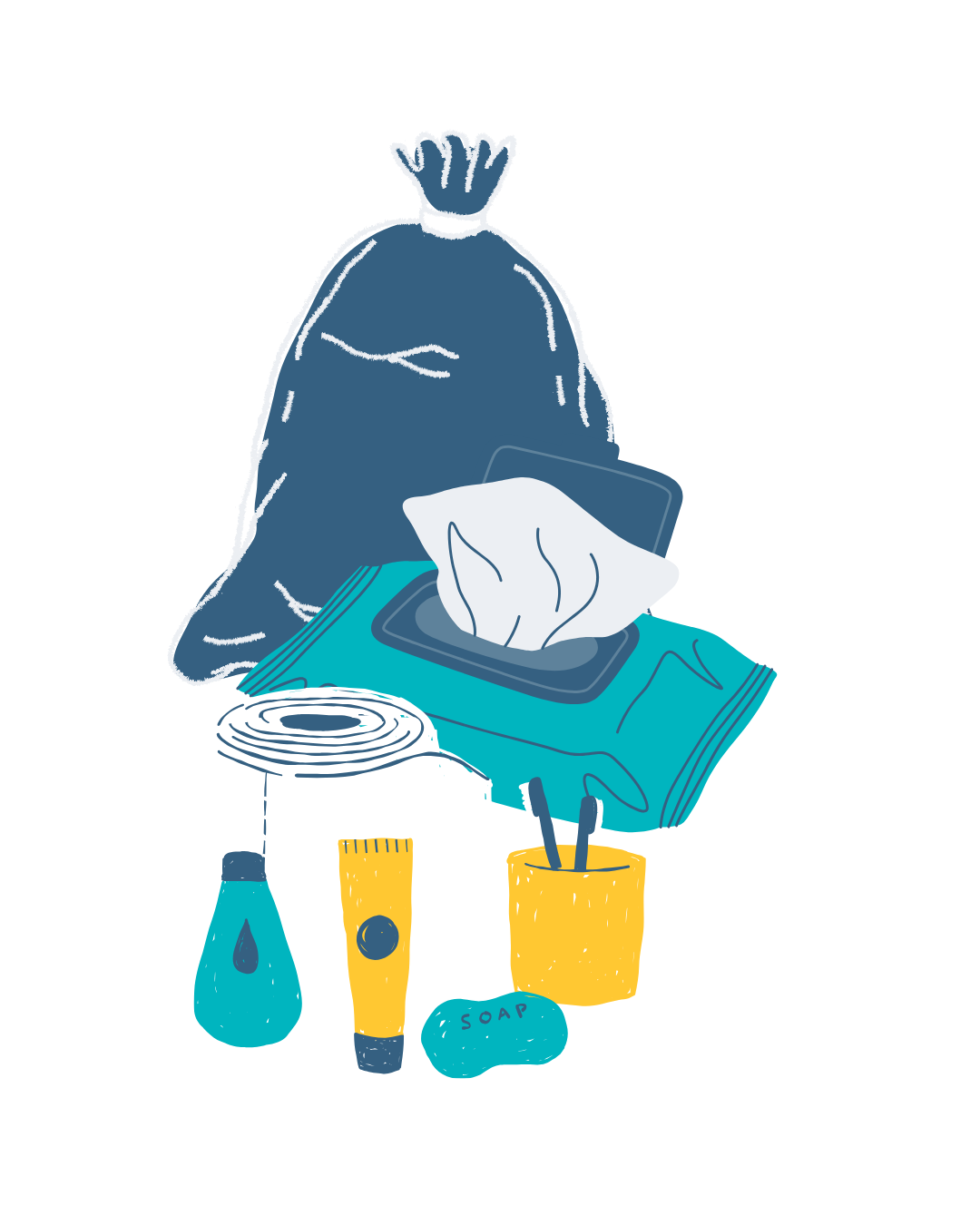
Maintaining good hygiene is especially important during and after a storm. Include items such as hand sanitizer, disinfecting wipes, garbage bags, toilet paper, soap, toothbrushes, toothpaste, feminine hygiene products, diapers (if needed), and other personal care essentials to help keep your family healthy.
Documents
 Store important documents in a waterproof, portable container or resealable plastic bag. Include identification, insurance policies, medical records, birth certificates, Social Security cards, banking information, emergency contact lists, and copies of local maps. Having these documents readily available can save valuable time and help you recover more quickly after a storm.



No Comments Yet
Let us know what you think